
A magazine focusing on the intersection
of art and action to create greater
social, racial and economic justice
September 28 , 2026

“please, please, please I can't breathe”
- Last words of George Floyd
“We can try to make it so everyone can breathe“
- Koon Woon - Co-founder of Breathe
If you are on our email list, we will email you every time we publish a new issue.
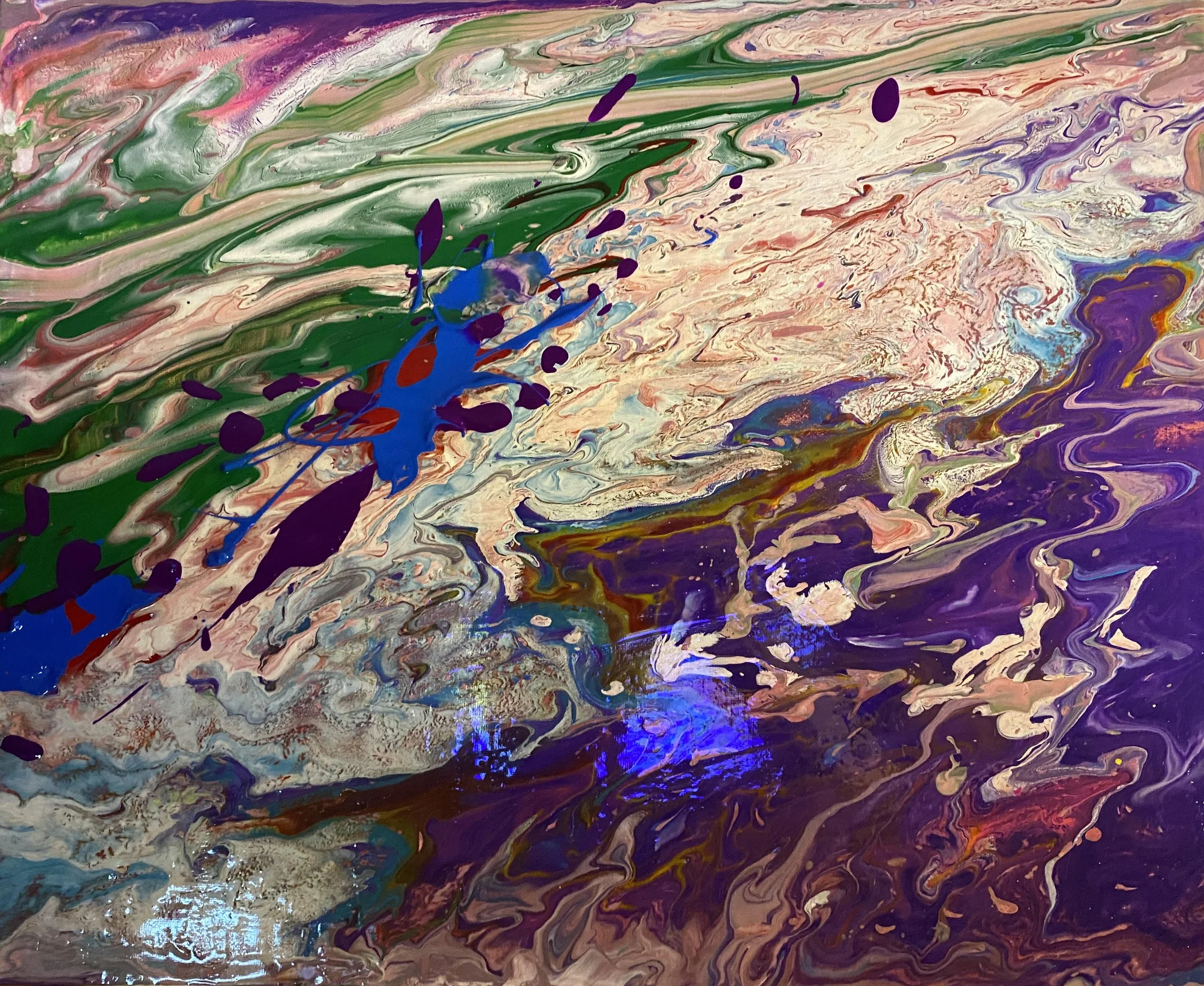
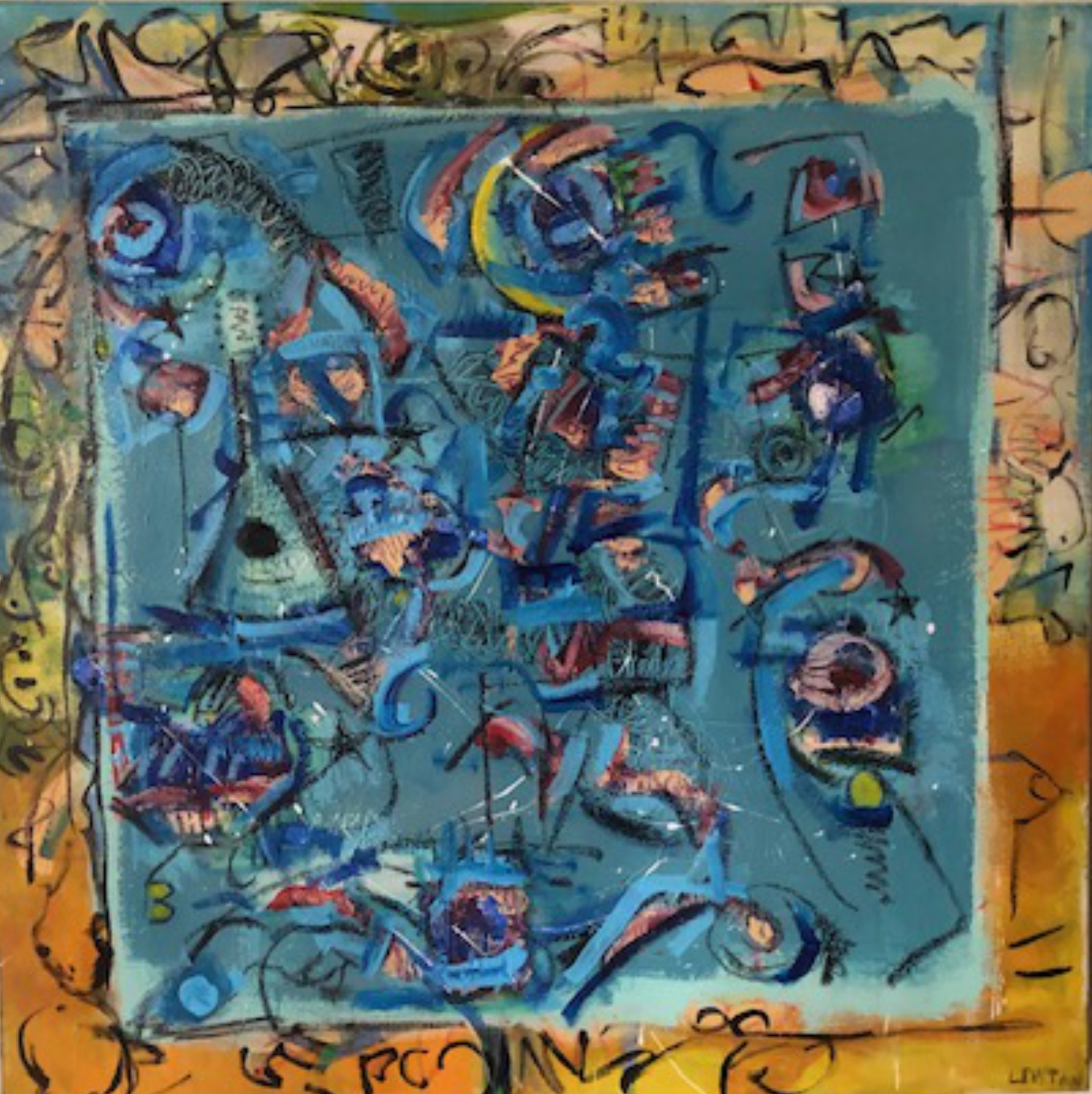
'"can't stop, won't stop"
by Michael G. Hickey
"This painting is intended to find beauty out of chaos. In a world filled with chaos and confusion, abstract art makes simple sense.
It is an exercise in being socially engaged yet unwilling to surrender one's joie de vivre.
You're no good to the cause if you don't remember to breathe."
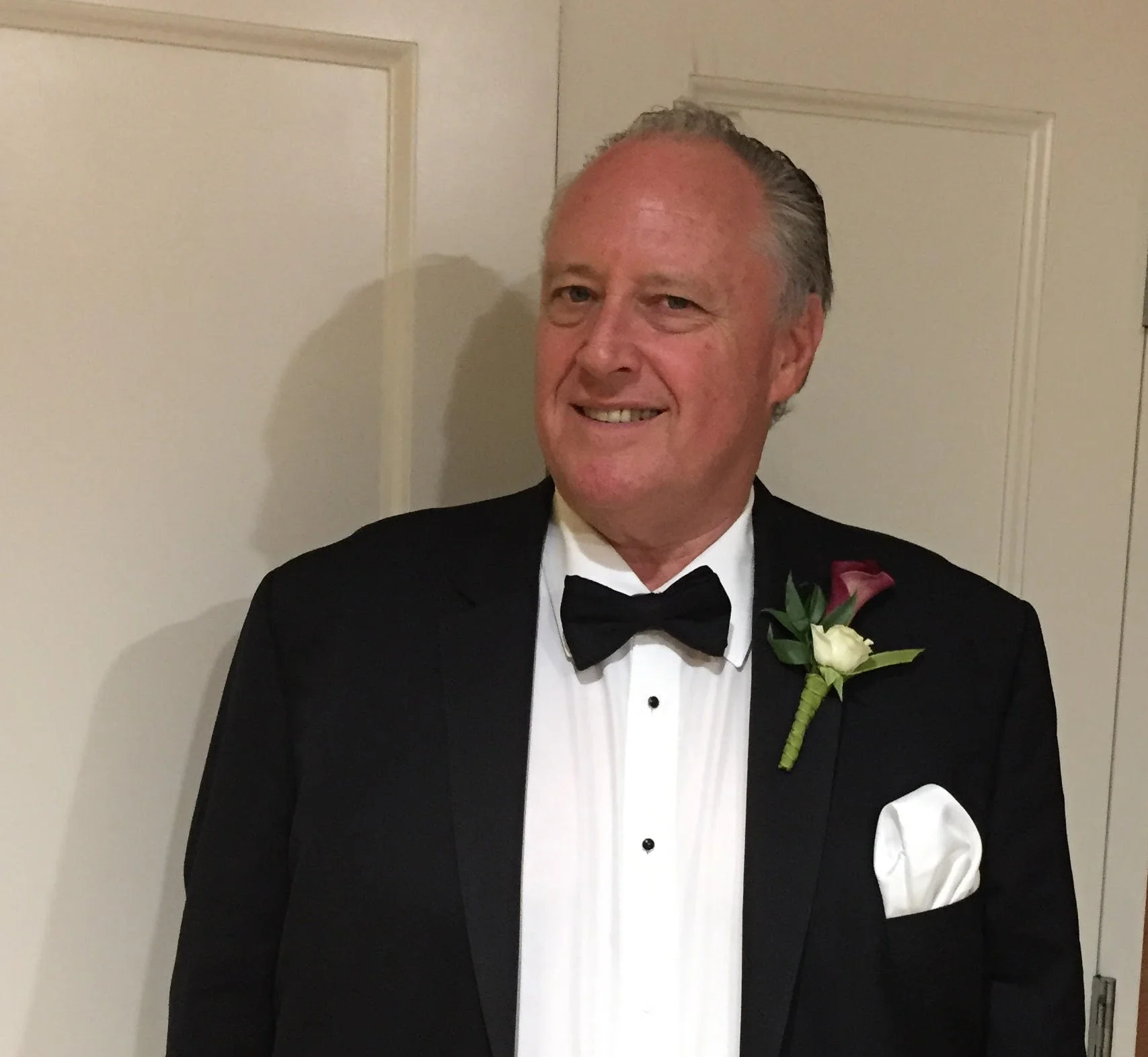
MICHAEL G. HICKEY, professor emeritus, lives in Seattle, WA. He grew up in Belleville, IL, the oldest of eleven children. Hickey received a BA in creative writing from the University of Arizona, 1987, and an MFA from the University of Washington, 1992. In 2009, he was inaugurated as Seattle’s eighth Poet Populist. He was also awarded the Candlelight Poetry Award by Armadillo Press for his poem “The Boy in Third Grade.”
Hickey has published widely in national literary journals such as The Alaska Quarterly, The Atlanta Review, and The Seattle Review. In addition to two novels and four books of poetry, his most recent full-length publication is his first children’s book, TRAVIS THE TALKING DOG, 2023.
Recently retired after thirty years as a creative writing professor, Hickey loves tackling new creative endeavors such as art, photography, fashion design, and local theater. He also enjoys volunteering as a writing teacher for children at bereavement camps, juvenile offenders at youth detention, and adult inmates in federal prison.
Favorite quote: “Whether you think you can or you think you can’t, you’re right.” -- Henry Ford.
This Week’s Posts
Click Here
to read all current and recent posts

A column for you to share the actions you are taking to resist the erosion of our democratic institutions and practices and the rise of authoritarianism. We hope that sharing your stories will provide ideas and inspiration for others to take whatever action they are willing and able to take. Every individual action we take is part of a broad collective effort for justice. Please keep your stories to 150 words max and email to breatheeveryone@gmail.com. Feel free to include a photo of the action taken if appropriate.
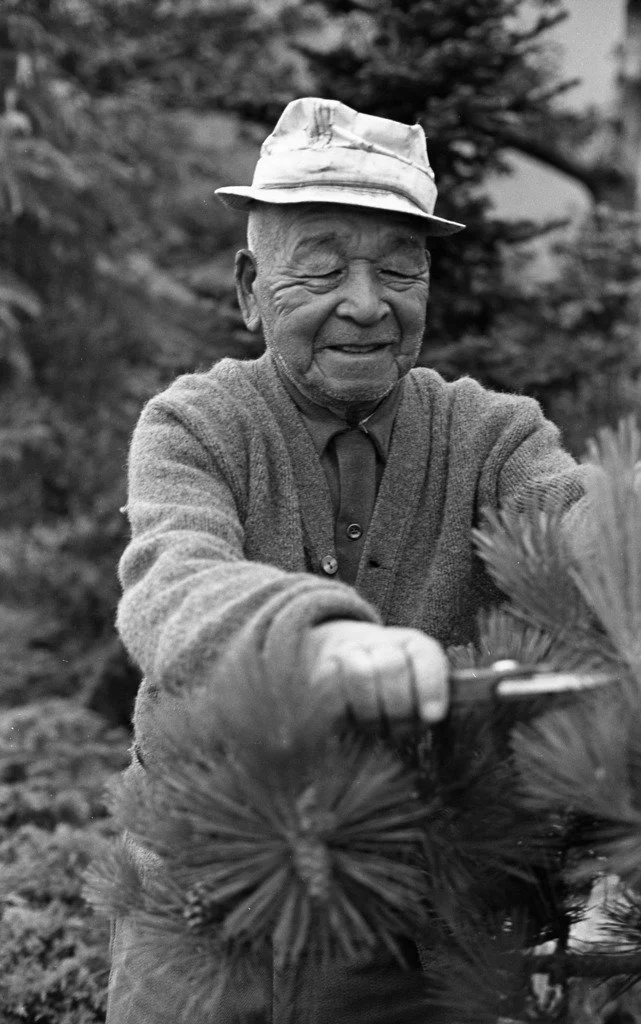


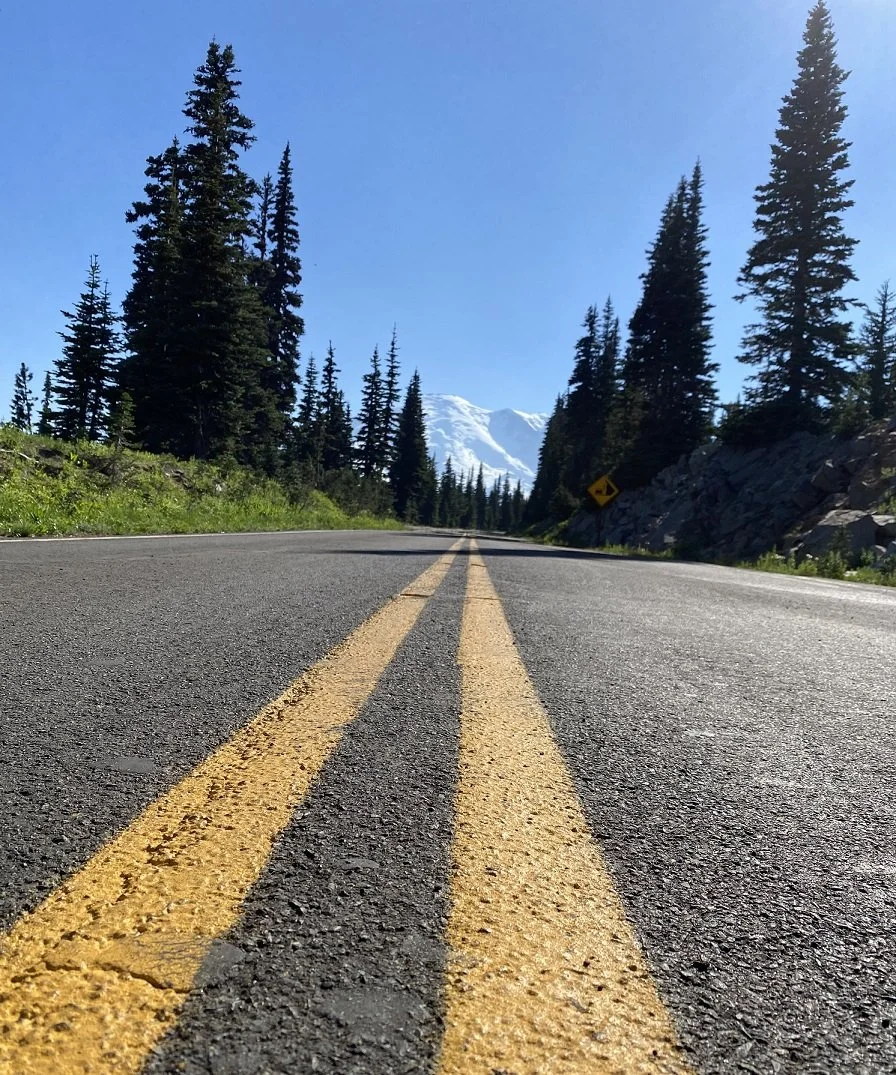
By Michael Hickey
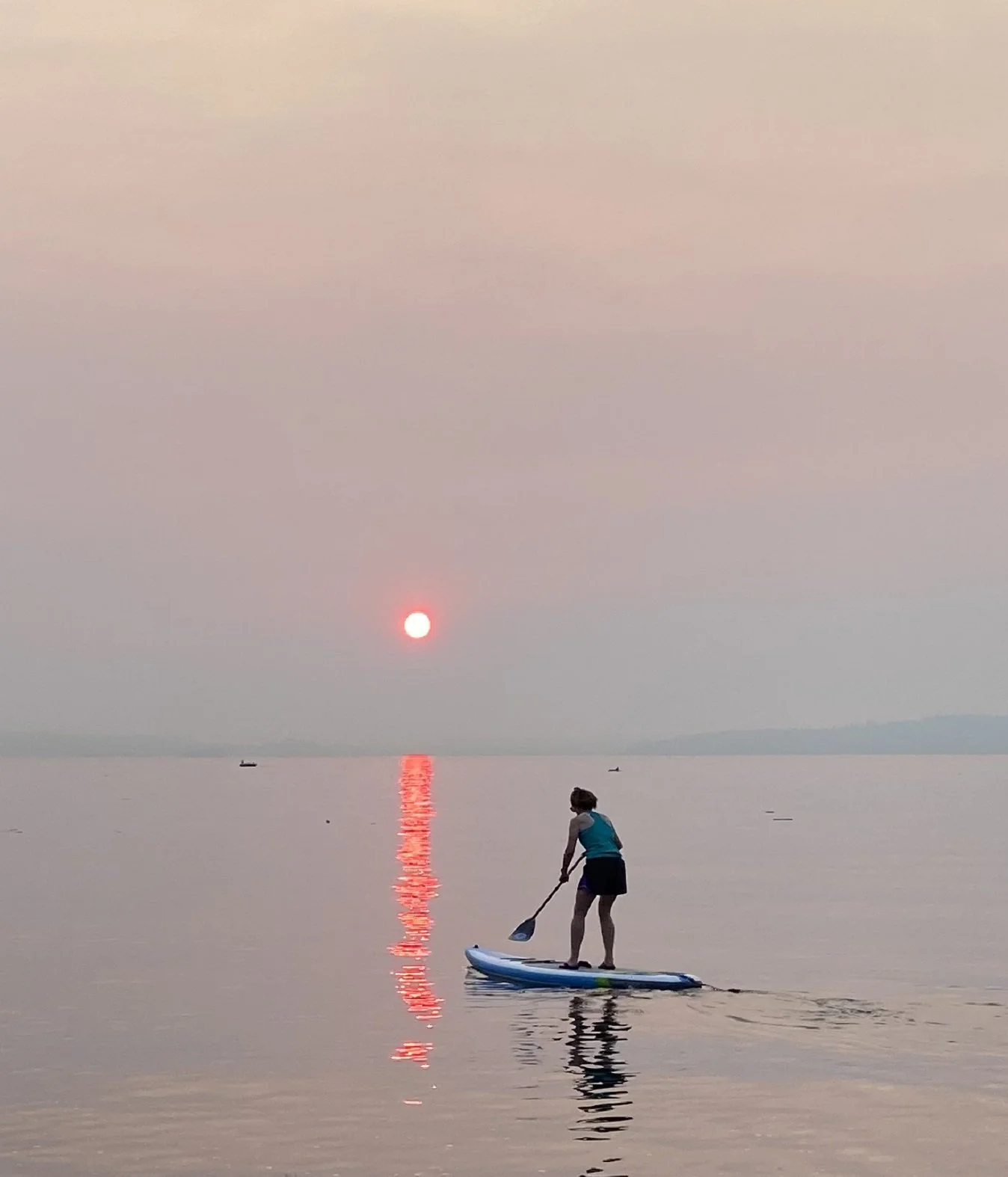
By Michael Hickey
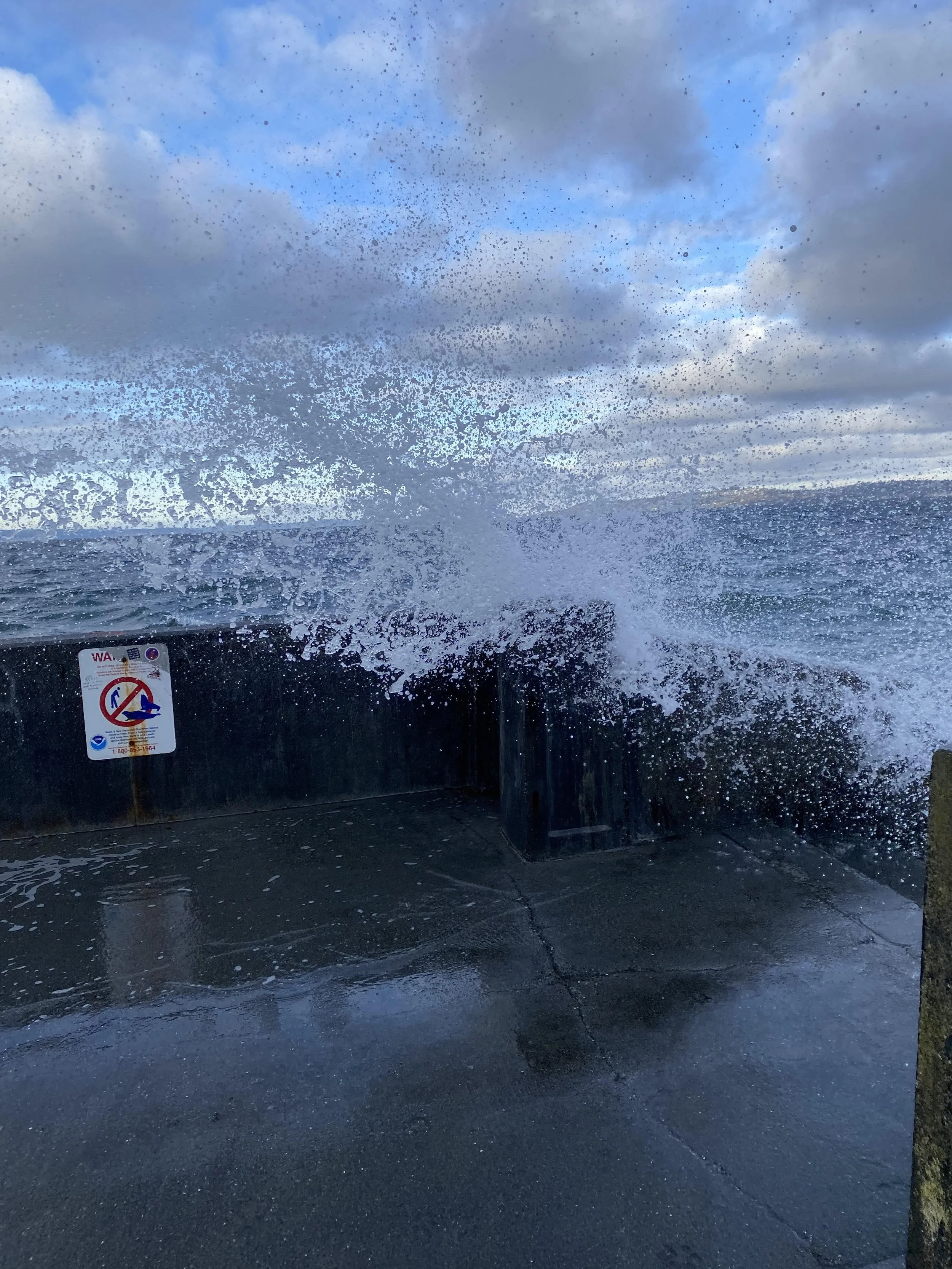
By Michael Hickey

New Language by Lew Jones

AccomplishedWatercolor by Michael Moreth

Social Metaphor by Lew Jones

Easement Watercolor by Michael Moreth
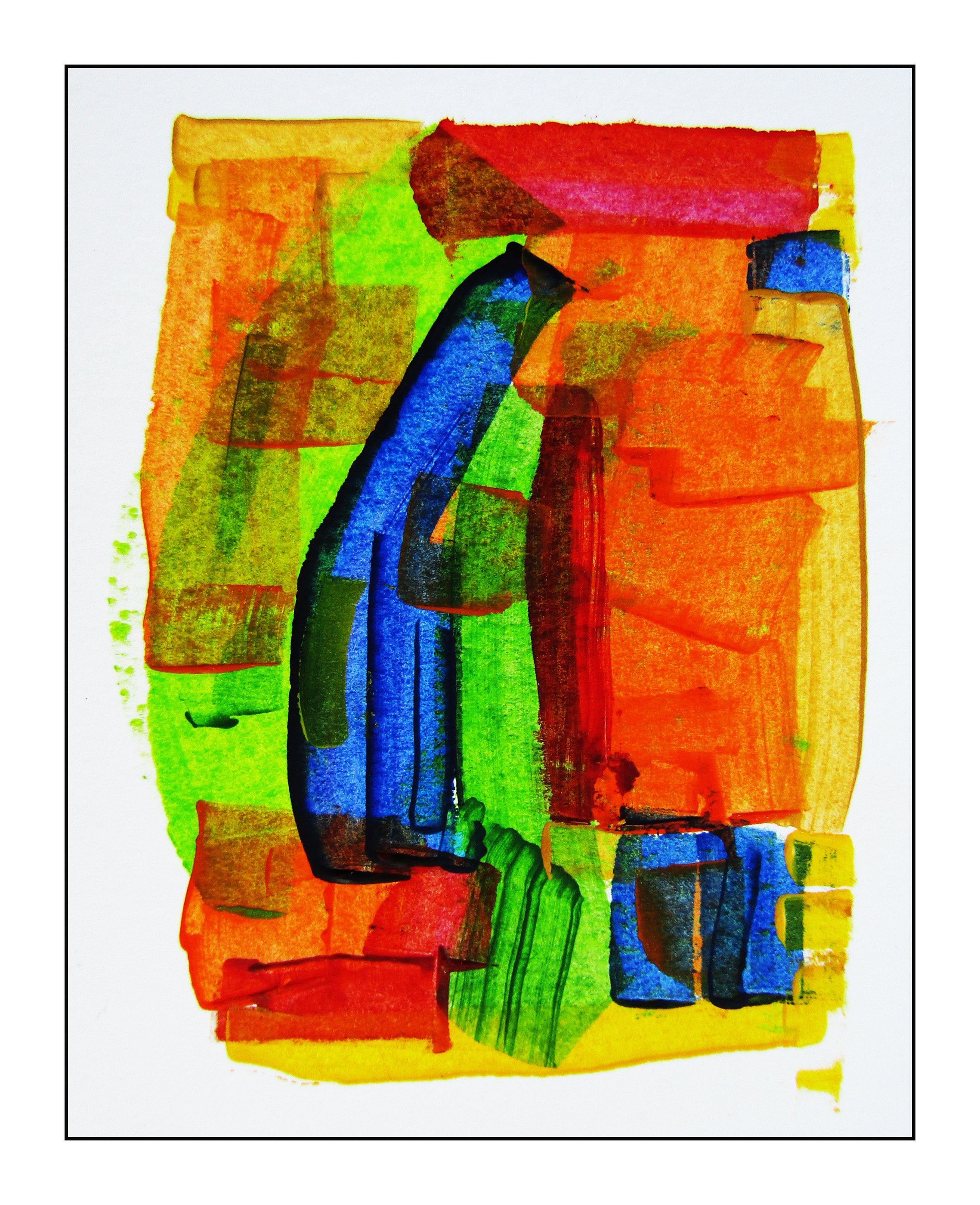
by Nico Lewis Young
We (the people
who talk
like me)
are at war